

Testosterone optimization has become a critical focus for individuals seeking enhanced performance, improved body composition, and better overall vitality. While traditional testosterone replacement therapy remains common, testosterone peptides represent an innovative approach that works differently by stimulating the body’s natural hormone production pathways. These specialized amino acid sequences offer unique mechanisms of action that may support testosterone levels through various biological pathways, making them an increasingly popular area of research and application in the peptide therapy landscape.
Testosterone peptides are short chains of amino acids designed to influence testosterone production or activity through specific biological pathways. Unlike direct hormone replacement, these compounds work by signaling the body’s endocrine system to optimize its natural testosterone synthesis.
The science behind testosterone peptides involves complex interactions at the cellular level. Research has shown that certain synthetic peptides can stimulate testosterone production in Leydig cells, the primary testosterone-producing cells in the testes. These peptides essentially act as messengers, triggering specific receptors that initiate the hormonal cascade leading to increased testosterone synthesis.
Several distinct categories of peptides may influence testosterone levels through different mechanisms:
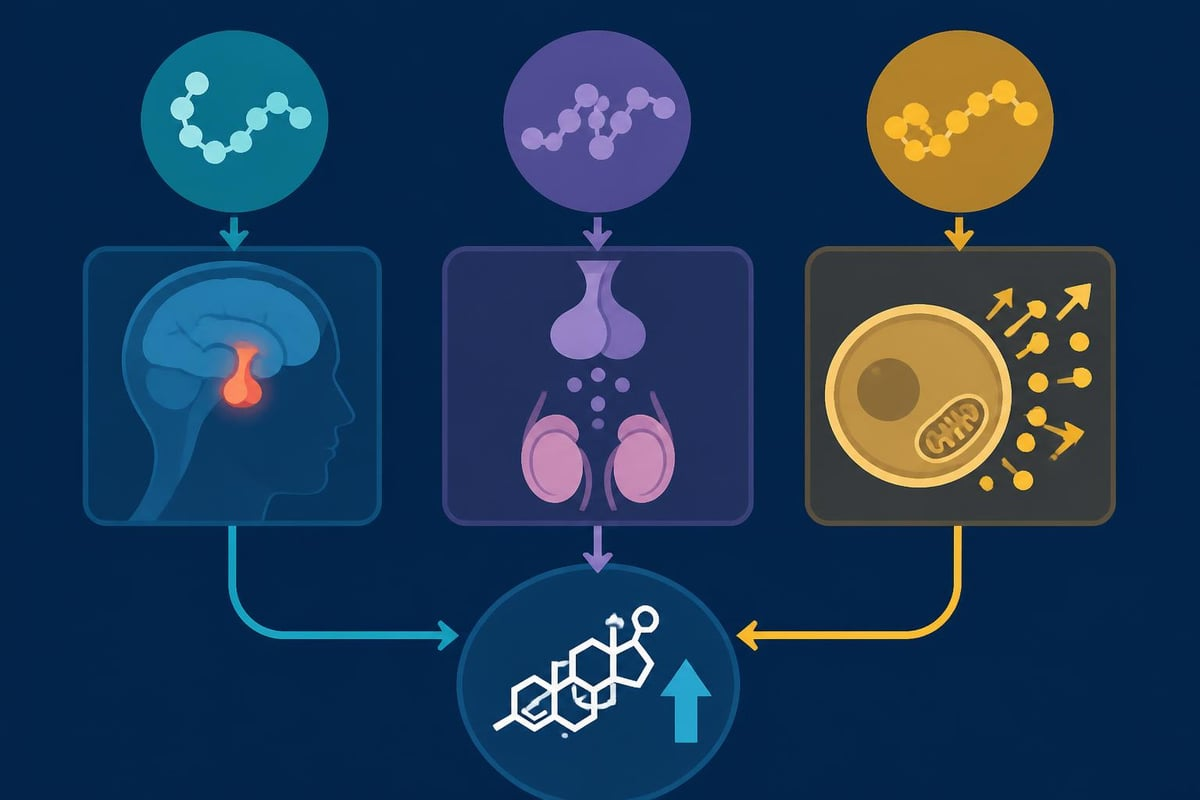
The distinction between these categories matters significantly when selecting appropriate peptides for specific goals. Each pathway offers unique advantages and considerations based on individual health status and objectives.
The body of research examining testosterone peptides continues to expand, providing valuable insights into their potential applications and efficacy. Clinical studies have explored various peptide formulations and their impacts on testosterone levels across different populations.
One particularly interesting area involves alpha-subunit peptides, which have shown promise in laboratory settings. These synthetic sequences can activate specific cellular machinery responsible for testosterone synthesis, offering a targeted approach to hormone optimization without the broader systemic effects of traditional replacement therapy.
| Study Type | Peptide Category | Key Findings | Duration |
|---|---|---|---|
| In Vitro | α-Subunit Peptides | Stimulated testosterone production in Leydig cells | N/A |
| Animal Model | VDAC1-Derived | Increased circulating testosterone levels | 8 weeks |
| Human Clinical | GH-Releasing | Indirect testosterone support through GH axis | 12-24 weeks |
| Randomized Trial | Combined Protocol | Broader physiological effects including metabolic markers | 6 months |
The emerging research landscape suggests that testosterone peptides may offer benefits beyond simple hormone elevation. Studies indicate potential improvements in body composition, metabolic health markers, and overall vitality when peptides are used as part of comprehensive optimization protocols.
However, it’s essential to note that unapproved peptide therapies carry significant risks, and working with qualified healthcare providers remains crucial for safe and effective use.
Implementing testosterone peptides requires careful consideration of dosing, timing, and administration methods. Unlike simple supplementation, peptide protocols demand precision to achieve optimal results while minimizing potential adverse effects.
Most testosterone peptides require subcutaneous or intramuscular injection for effective delivery. The peptide structure makes oral bioavailability challenging for many formulations, though some research explores oral delivery systems for specific peptide types.
The synergistic approach often yields superior results compared to single-peptide protocols. Combining growth hormone-releasing peptides with other compounds that support the testosterone pathway can create a comprehensive optimization strategy.
Critical considerations for peptide use include:
Advanced peptide protocols often incorporate multiple compounds to address different aspects of hormonal optimization and overall wellness. Understanding how testosterone peptides interact with other therapeutic peptides enhances protocol effectiveness.
Growth hormone releasing peptides represent one of the most common combinations with testosterone-focused protocols. Compounds like CJC-1295 work synergistically by supporting the growth hormone axis, which maintains complex relationships with testosterone production and utilization.
Beyond direct testosterone support, several peptides offer complementary benefits that enhance overall results:
The recovery-focused peptides such as BPC-157 support tissue repair and healing, which becomes increasingly important when pursuing performance optimization goals. These compounds work through different mechanisms but contribute to the overall wellness picture that supports healthy testosterone function.
| Peptide Type | Primary Benefit | Testosterone Synergy |
|---|---|---|
| Growth Hormone Secretagogues | Increased GH release | Supports anabolic environment |
| Repair Peptides | Tissue healing | Enhances recovery capacity |
| Metabolic Peptides | Fat oxidation | Improves body composition |
| Mitochondrial Support | Cellular energy | Enhances hormone synthesis |

Understanding these interactions allows for sophisticated protocol development that addresses multiple aspects of health and performance simultaneously. The key lies in proper sequencing, dosing coordination, and monitoring to ensure all components work harmoniously.
The rapid growth in peptide interest has unfortunately led to quality inconsistencies across the market. Ensuring peptide purity and potency remains paramount for both safety and efficacy when using testosterone peptides or any therapeutic peptide compounds.
Reputable providers employ rigorous testing protocols including high-performance liquid chromatography (HPLC) to verify peptide identity and purity. These analytical methods detect contaminants, degradation products, and verify that the peptide concentration matches label claims.
The difference between pharmaceutical-grade peptides and lower-quality alternatives can significantly impact outcomes. Impurities or degraded peptides may not only reduce effectiveness but could potentially introduce unwanted side effects or adverse reactions.
Working with healthcare providers who understand peptide therapy ensures appropriate monitoring throughout the treatment process. Regular blood work helps track testosterone levels, liver function, lipid panels, and other relevant biomarkers that indicate how the body responds to peptide protocols.
Red flags to avoid:
Not everyone responds identically to testosterone peptides, making individualization a critical component of successful protocols. Genetic factors, baseline hormone levels, age, lifestyle habits, and overall health status all influence how effectively someone responds to peptide therapy.
Some individuals demonstrate rapid improvements in testosterone markers within weeks, while others require longer periods and protocol adjustments to achieve desired results. This variability underscores the importance of patient monitoring and protocol flexibility.
The endocrine system operates as an interconnected network where multiple hormones influence each other. Optimizing testosterone through peptides requires consideration of this broader context. Thyroid function, cortisol patterns, insulin sensitivity, and growth hormone status all impact how effectively testosterone peptides work.
Lifestyle factors create the foundation upon which peptide protocols build. Sleep quality, nutritional adequacy, stress management, and exercise patterns significantly influence hormonal health. Even the most sophisticated peptide protocol cannot overcome poor foundational habits.
Optimization checklist:

The comprehensive research database on peptides for testosterone provides valuable context for understanding individual variations in response patterns and potential optimization strategies.
Experienced practitioners often employ sophisticated cycling strategies to maintain peptide effectiveness while minimizing potential downsides of continuous use. These approaches recognize that hormone systems can adapt to sustained stimulation, potentially reducing responsiveness over time.
Cycling involves periods of active peptide use followed by rest phases allowing the body’s natural regulatory mechanisms to reset. The specific cycling pattern depends on the peptides used, individual response patterns, and overall protocol goals.
Progressive Loading: Starting with lower doses and gradually increasing over 4-6 weeks before implementing a rest period. This approach allows for assessment of minimum effective doses while building tolerance gradually.
Pulse Protocols: Using peptides for 5 days followed by 2 days off, creating a weekly rhythm that may help prevent receptor desensitization while maintaining consistent benefits.
Seasonal Cycling: Implementing 12-16 week active phases followed by 4-8 week breaks, often timed around training cycles or performance goals.
The selection of cycling strategy should align with individual goals and practical considerations. Athletes preparing for competitions might use different patterns than individuals focused on long-term health optimization.
| Cycle Type | Active Period | Rest Period | Best For |
|---|---|---|---|
| Continuous | Ongoing | None | Initial assessment phase |
| Weekly Pulse | 5 days | 2 days | Maintaining sensitivity |
| Standard Cycle | 12 weeks | 4 weeks | General optimization |
| Extended Cycle | 16 weeks | 6-8 weeks | Advanced protocols |
Monitoring becomes especially important during cycling phases. Tracking how markers change during both active and rest periods provides valuable information for optimizing future cycles and determining ideal timing patterns for individual responses.
Testosterone peptides represent one component within comprehensive health optimization strategies. Their effectiveness amplifies when integrated thoughtfully with other evidence-based interventions addressing nutrition, training, recovery, and lifestyle factors.
The relationship between dietary patterns and testosterone levels demonstrates how nutritional choices create either supportive or inhibitory environments for hormonal health. Peptide protocols cannot overcome sustained nutritional deficiencies or metabolic dysfunction.
Training stimulus plays a particularly important role in testosterone optimization. Resistance training creates demand signals that encourage the body to utilize available testosterone more effectively. Without adequate training stimulus, even elevated testosterone levels may not translate into desired body composition or performance improvements.
Beyond peptides, several other therapeutic compounds may support testosterone optimization goals:
Recovery optimization through compounds like NAD+ supports cellular energy production and metabolic health, creating favorable conditions for hormone synthesis and utilization. These mitochondrial-focused interventions address the fundamental cellular machinery required for optimal endocrine function.
Body composition management using peptides such as Semaglutide or Tirzepatide can improve insulin sensitivity and reduce excess adiposity, both of which positively influence testosterone levels through multiple pathways.
Comprehensive optimization includes:
The emerging field of peptide research continues expanding our understanding of these powerful compounds. Resources like Peptipedia provide researchers and practitioners with comprehensive information supporting evidence-based protocol development and optimization strategies.
The field of testosterone peptides continues evolving rapidly as new research emerges and novel compounds enter development pipelines. Understanding current research directions helps anticipate future therapeutic options and optimization strategies.
Advanced computational approaches are revolutionizing peptide discovery and characterization. Machine learning models can now predict peptide properties and potential biological activities, accelerating the identification of promising compounds for testosterone support and broader hormonal optimization.
Delivery system innovations represent another frontier in peptide therapeutics. While most testosterone peptides currently require injection, researchers explore alternative administration routes including transdermal patches, sublingual formulations, and enhanced oral delivery systems that could improve convenience and compliance.
Emerging research areas include:
The growing body of scientific literature provides increasingly sophisticated understanding of how peptides influence testosterone and related hormonal pathways. This knowledge enables more targeted, effective protocols with improved safety profiles compared to earlier approaches.
As research progresses, the distinction between experimental compounds and validated therapeutic options becomes increasingly important. Staying informed about current evidence while maintaining appropriate skepticism about preliminary findings ensures safe, effective application of testosterone peptides.
Understanding broader contexts, such as the relationship between testosterone and performance in various domains, helps frame realistic expectations about what peptide protocols can and cannot achieve. Testosterone optimization through peptides offers genuine benefits when implemented properly, but it represents one tool among many in comprehensive health and performance strategies.
Testosterone peptides offer sophisticated mechanisms for supporting natural hormone production, but their effectiveness depends on quality, proper protocols, and comprehensive health optimization strategies. When you’re ready to explore premium peptide options backed by rigorous quality standards and expert support, Pure Peptide provides the compounds and guidance needed for safe, effective implementation of your optimization protocol.